

Energy 1–4
Low-tolerance days
Your body needs regulation, not load.
- If it is a one-off → do the Gentle Workout / Therapeutic Yoga block.
- If it keeps happening → it may be a sign you need rehabilitation first.
An exercise and regulation program designed for people with POTS and dysautonomia who have completed rehabilitation and now want to work out, build strength and energy… without crashing along the way.
Created by Isabel Valdés, physiotherapist specialised in dysautonomia
How is your energy today?
Move the slider: 0 = no energy, 10 = your best day.
Energy 5–6 Gentle, controlled movement
Gentle strength, mobility and regulating breathwork.
Find your level
With dysautonomia, working out “no matter what” doesn’t work. What works is choosing the right intensity for what your nervous system can tolerate today. Training POTS organises every video by energy level, so you can move safely and progressively.
Energy 1–4
Your body needs regulation, not load.

Energy 5–6
For days when you want to move calmly. Includes:

Energy 7–8
When you feel stable and tolerate more activity. Includes:

Energy 9–10
For days of maximum regulation and energy. Includes:
Not every day your body responds the same… and that doesn’t mean you’re going backwards.
Start here
Rate how you feel today on a simple 0–10 scale.
Each level comes with the right intensity and type of exercise for how you feel that day.
Short videos so there is always room to move — on YouTube, any device.

Plays on YouTube, which may set cookies. Privacy
Videos are in Spanish, with English subtitles on YouTube
On YouTube, tap ⚙ Settings → Subtitles/CC → Auto-translate → English. If you see Audio track in Settings, you can also choose English audio.
Change the way you see movement
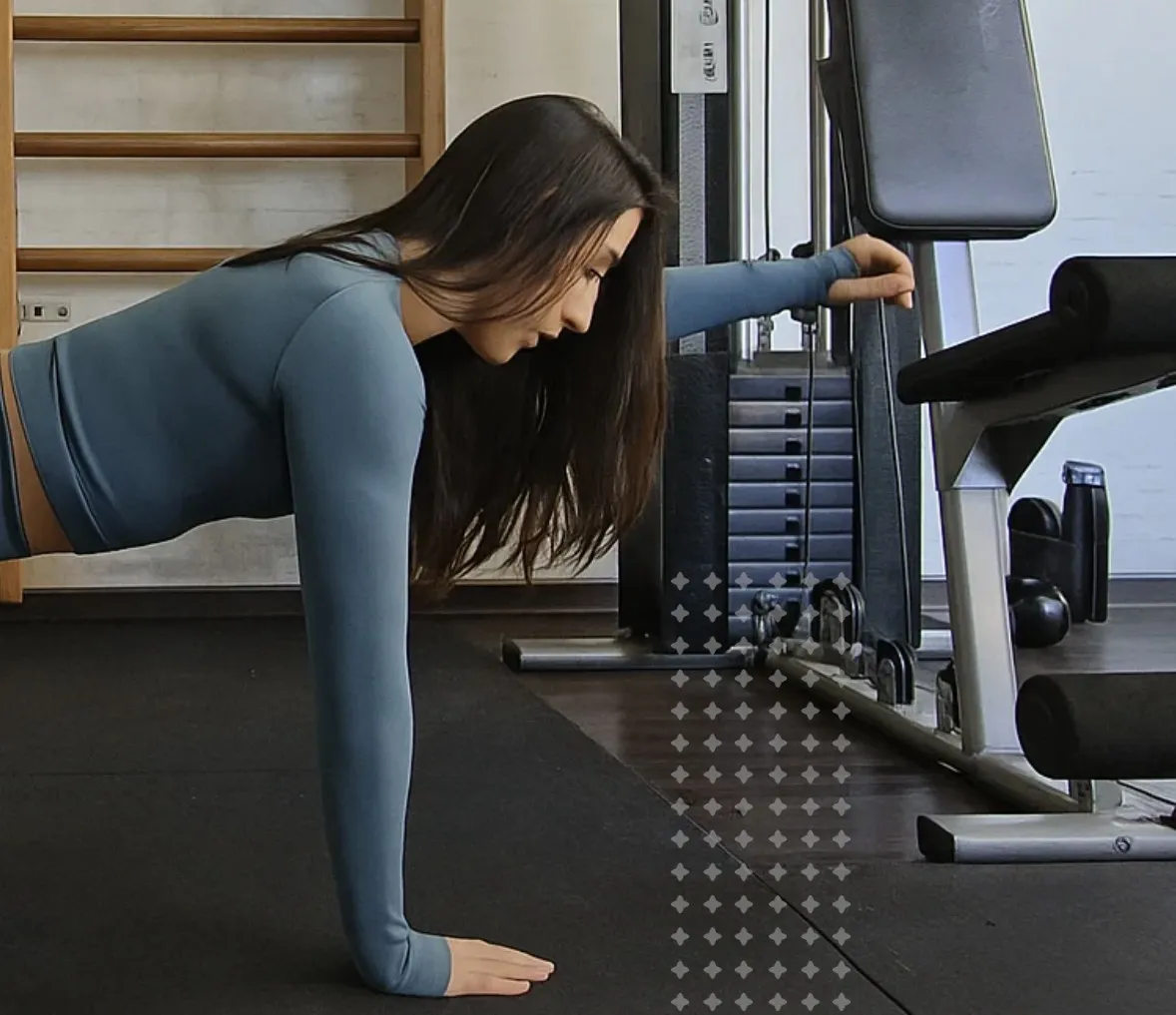
Different types of workouts according to your energy level, organised from lower to higher demand.
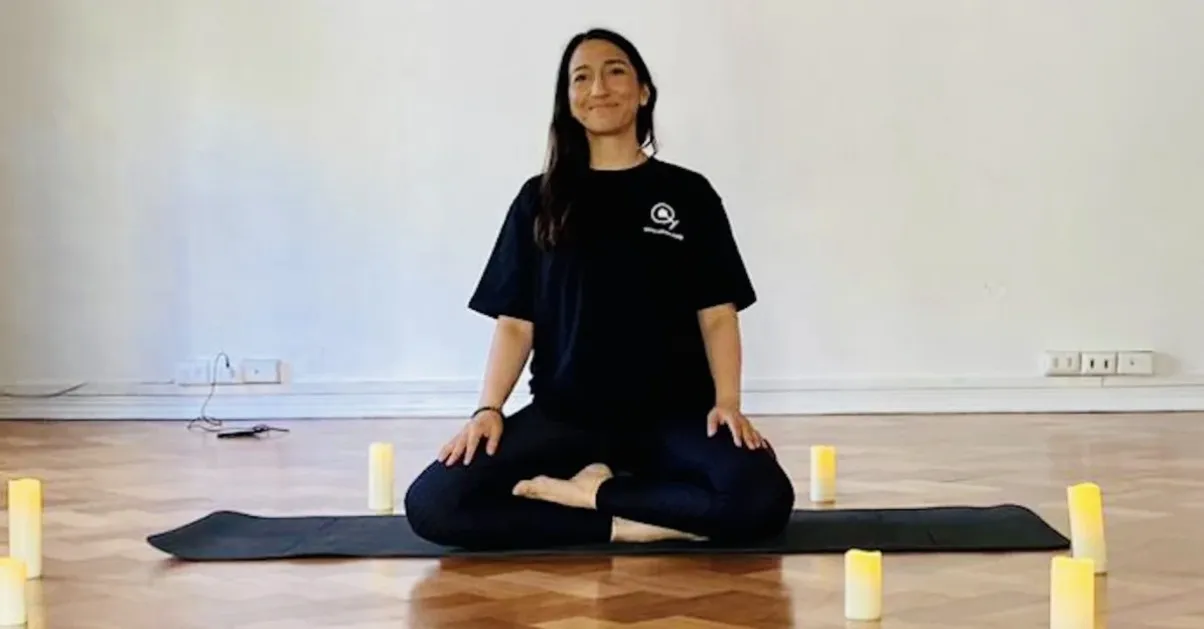
Breathwork, meditation, yoga and calm mobility, plus vagus nerve modulation — tools to regulate your autonomic nervous system from different angles.
Benefits
Golden rules
If they appear, lower your position or your level. No exceptions.
Your energy changes every day — adapt the exercise to you.
Better a little and often than a lot once.
Is it for me?
Access
Training POTS is a monthly membership on YouTube, with instant access to every workout video. Work out whenever you want, at your own pace and according to how your body feels each day.

Book an online consultation with Isabel, in English or Spanish. Ideal if you are not sure which level to start with, you have hypermobility/EDS or MCAS too, or you need a plan tailored to you.
From the blog
FAQ
Use a simple 0 to 10 scale.
If you are between 5 and 10, you can work out according to your level.
If you are below 4, check whether it is a one-off or ongoing (see the next question).
If it is a one-off: use the Gentle Workout – Therapeutic Yoga block.
If it keeps happening: you probably need rehabilitation before working out. You can book an online assessment.
Yes. The videos are designed with floor, chair and standing options, prioritising joint stability and motor control.
For special cases, or if you have more symptoms, the best option is to see a specialist about your particular case.
Stop the routine, change position (floor or chair), regulate with breathing and continue with a gentler block.
The goal is to regulate, not to force.
If it persists, stop the routine and stabilise before continuing.
When your body tolerates the current level well, with no rebound the next day.
There is no fixed rule: progression is individual.
No. Just a mat and a sturdy chair.
Bands or small dumbbells are optional.
At advanced levels you will probably need more equipment.
Training POTS is designed for people who have already completed an initial rehabilitation phase and want to keep working out safely and progressively.
It does not replace an assessment or an individual rehabilitation process when one is needed.
Prioritise your body’s response over your wish to work out.
Choose your workout level based on your physical tolerance that day, not only on your mental energy.
If your body doesn’t keep up, you can choose a gentler block, regulation or rest.
…this is where your new strength begins. Join the membership on YouTube or start with a free class.

